
• INSTITUTE ON INEQUALITY AND DEMOCRACY

Our Mission

The UCLA Luskin Institute on Inequality and Democracy advances scholarship that confronts threats to democracy in America and around the world. Working with civic organizations, the Institute seeks to strengthen democratic resilience, reverse growing inequalities, and shape a politics that addresses the needs of all, not just the well-off and well-connected.

Our Research & Programs

Social Movements and Democratic Struggle

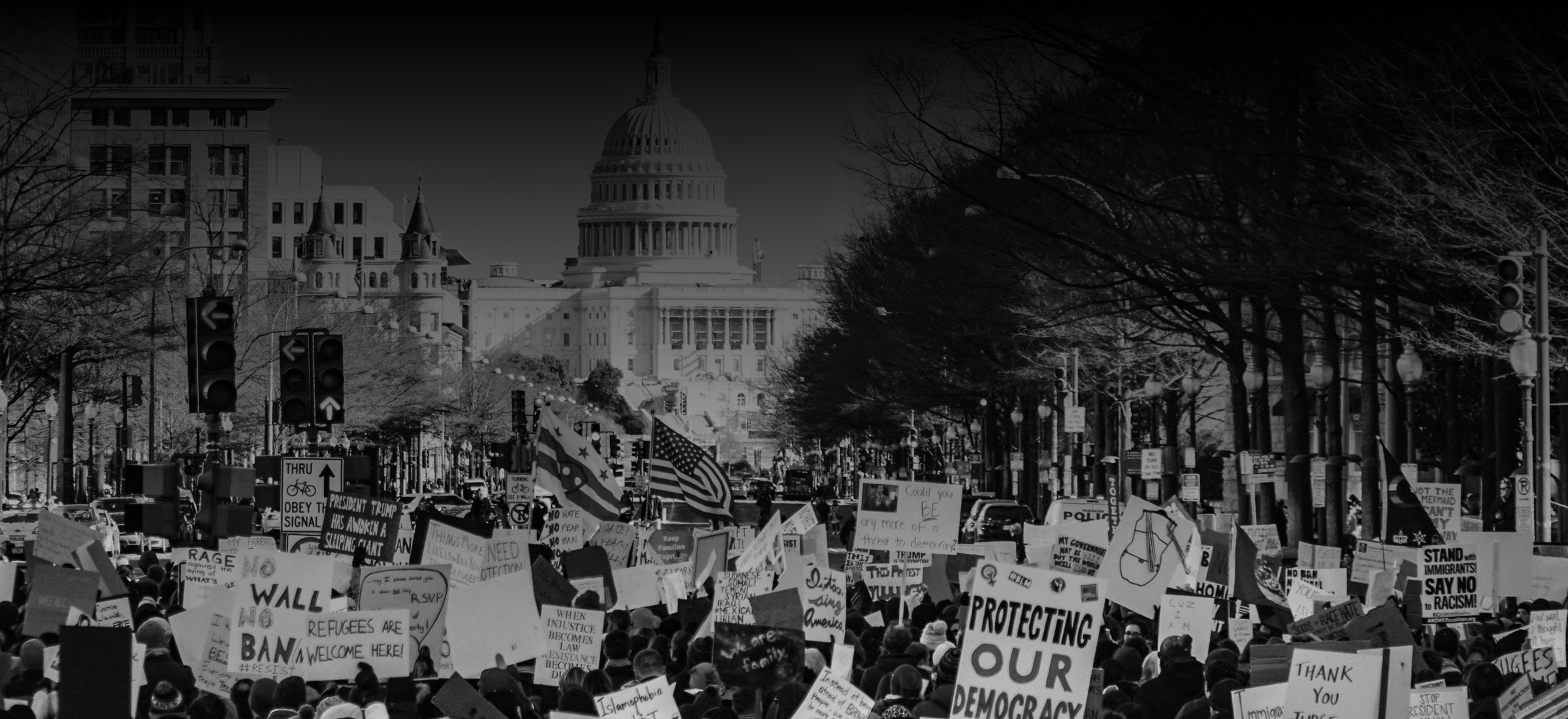
  • Grassroots activism, labor organizing, and protest movements
  • Historical studies of mass movements and progressive political change
  • The role of business and the wealthy as allies in shaping democratic reforms

American Youth and the Future of Democracy

  • Civic engagement and political views of America’s youth
  • Social, economic, and political challenges that especially impact the young
  • Politics in the age of social media

Building a Multiracial Democracy

  • The politics of racial justice, immigration, and political inclusion
  • Race, ethnicity, and politics in the US and globally
  • Histories of ethnoracial exclusion, resistance, and reform

Affordability, Economic Inequality, and Democratic Dysfunction

  • The impact of economic experience and expectations on political attitudes and behavior
  • The political impact of individual, community, and national economic conditions

Global Threats to Democracy

  • Comparative studies of democratic backsliding and resilience
  • Lessons from alternative electoral systems and alternative electoral funding mechanisms
  • The global interplay of economic and political inequalities

American Oligarchy

  • Taming the power of money in American politics
  • Addressing the Supreme Court’s decades-long crusade against campaign finance limits
  • The corrupting influence of billionaires in politics and policy
  • Organized interests and the power of corporations in American governance

Democratic Governance and Institutional Reform

  • Institutional reforms to secure voting rights, reduce polarization, enhance democratic responsiveness, and improve government performance
  • Gerrymandering and redistricting reforms
  • Alternative voting systems (eg, ranked choice voting, fusion voting, multimember districts)